
Healthy Eating: Find Your Why
It’s easy to go astray without having a reason for eating well. What’s yours?

It was 4 a.m. when I woke up drenched in sweat, heart racing. The only unusual thing I’d done that evening was eat dinner at a busy chain steakhouse with friends. The meal didn’t seem outrageous at the time, but a few hours later my body seemed to disagree.
I’d ordered a small steak, plain baked sweet potato, and sautéed mushrooms. The waitress also brought dinner rolls and fried pickles for the table.
Now, this was not a typical meal for me, but I’d had a veggie salad for lunch that day and thought I’d splurge a bit for dinner. I found the dinner quite salty for my palate and partially greasy. But it was all delicious and I devoured every bit of it and downed it with water.
As we paid and walked out, I noticed a lady being carried out on a stretcher and loaded into an ambulance. “Food induced?”, I thought. I went to bed that night and awoke with my aforementioned sweaty episode. I’m almost certain it was caused by what I ate, because that only happens to me after late, heavy meals of the sort I had.
Another kicker was that despite all that, I was also craving food. I felt simultaneously sick, bloated, and hungry. It was an odd feeling to have.
The story got me thinking about the standard American diet (SAD), its effects on us, and our collective indifference to it all. If one meal could do this to me, what would be the effects of continuing to eat this way over a longer period? Do others feel the effects in short order as I did, or am I blessed with some kind of early warning system that tells me to be more careful next time?
My meal that night may not have been the healthiest, but it certainly wasn’t the worst at that restaurant, not by a longshot. I imagined the throngs of patrons there day and night ordering more typical meals, maybe a fried meat plate with gravy, and a couple sodas or beers to wash it down. Or a bacon cheeseburger with fries and a milkshake. And then topping it off with dessert. I wondered what the lady on the stretcher had ordered.
A sad diet indeed
Besides the outsized environmental impact, experts agree the SAD diet is abysmal from a health perspective. The ultra-processed foods, refined sugars, bad fats, and sodium, have all helped to ensure that around half of all Americans remain obese and have at least one preventable chronic disease. Rates of heart disease, diabetes, cancer, mental illness, and other maladies have risen dramatically over the years, and people are now getting them at younger ages.
About 70% of the products on American grocery shelves are now classified as ultra-processed.
None of this is new, and the solutions are well-known…so why aren’t we doing anything about it?
Well, as a society we’ve tried. The USDA food guide has for decades provided guidance to consumers, albeit with shifting and sometimes conflicting messaging. Standardized nutrition labels have been added to packaged foods. Certain ingredients, like trans fats, have been banned or restricted. And so on. But none of this matters if you don’t actively prioritize your own health.
Like smokers, most of us know the risks but still struggle to change our habits. Various reasons have been given for this paradox:
- Today’s “foods” exploit human biology and are engineered for taste and addictiveness rather than nutrition.
- Bad foods are immediately comforting and are available everywhere, from gas stations to vending machines to the supermarket checkout line.
- Whole foods are less convenient, less “satisfying”, and more expensive.
Yet these reasons alone do not explain the whole picture. Given what we know about the risks, surely many of us could choose to break out of the mold and make a conscious choice to eat well, right? Well, genetics and environment do make it harder for some people than others. But while it’s not always easy, it turns out plenty of us have in fact made the switch, and we all have our reasons for doing so. Let’s dive into some of those reasons.
Ultra-processed foods aren’t really food. They are designed to taste good. That misses the point of why we eat, which is nutrition.
— Dr. Andrew T. Chan
The illusion of pleasure
The most obvious reason to eat whole, healthy foods is that they’re…well, healthy. But why do we care? Why does healthy really matter?
There are those who see healthy living as increasing lifespan at the expense of living life. In other words, they’d tell you to have the cake since you’re going to die anyway. Even if it shaves 5 or 10 years off your life, at least you lived and died happy, right?
Well, that seemingly has some truth to it. But the fallacy here is the notion that the benefits of eating well are limited to longevity. The reality is that it adds quality to our years as well as quantity. And it does that today, not in some distant intangible future. While some of the results will take weeks or months to show, your body starts the change process the moment you switch to eating healthy.
The biggest benefit of eating better isn’t just avoiding disease decades from now. It’s feeling better tomorrow morning.
The quality-of-life argument is nothing to sneeze at. Whole foods contain the nutrients our minds and bodies need to function at every level. For example:
- Vitamin A helps prevent vision loss and night blindness, helps prevent infections, and helps keep tissues and bones strong, facilitating mobility.
- Vitamin B12 helps maintain focus and memory, supports mood, and helps maintain energy levels.
- Vitamin C promotes healthy skin and joints, is vital for wound healing, and helps your immune system fight illness.
These are just the tip of the iceberg–a whole post could be written on all the different nutrients and which aspects of our bodies’ functioning require them.
You’d think that would be the end of the story, but no. Not only do processed foods tend to lack required nutrients, they also add bad ingredients that work against you. For example:
- Added sugars can trigger fatigue, irritability, and intense cravings for even more sugar and calories, creating a downward spiral. They also lead to premature aging, tooth decay, brain fog, anxiety, and depression.
- Excess sodium can lead to bloating, puffiness around the face, kidney stones, weak bones, loose teeth and increased risk of decay, and brain fog.
- Artificial sweeteners (aspartame, sucralose, saccharin) are often marketed as “healthy” because they have 0 calories, but they can actually alter your gut microbiome and cause sluggishness, artificial hunger, and bloating.
All of these additives also, in their own way, have a role in promoting obesity. Interestingly, processed foods can also worsen breath, mainly through oral bacteria and dry mouth.
We could go on. But the takeaway is that processed foods are a double whammy–they not only lack key nutrients that are essential to life, they also contain additives that are detrimental to life.
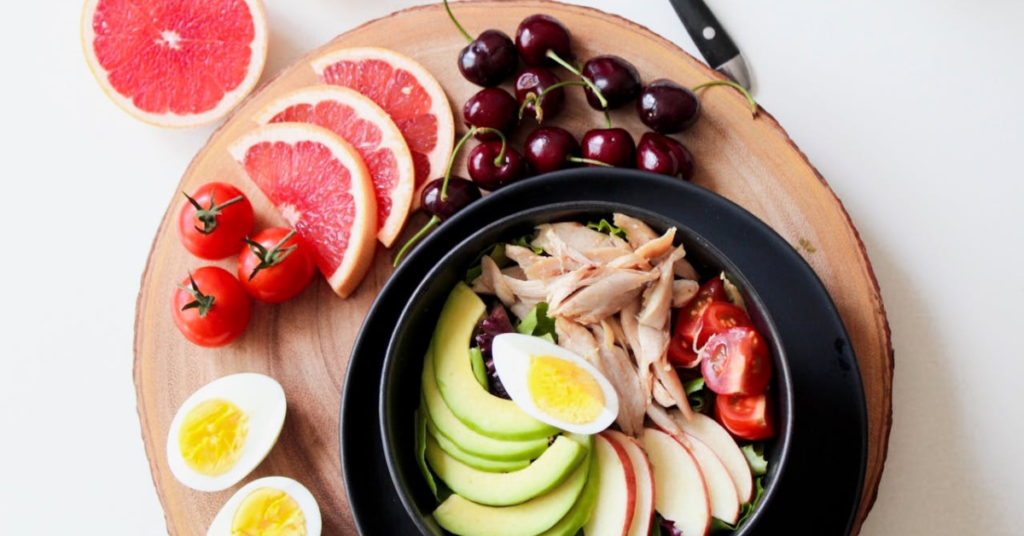
Again, these are just some of the short to medium-term quality-of-life impacts. None of this takes into account the longer-term effects like heart disease, cancer, and diabetes, all of which are significantly increased risks of the SAD diet.
Sure, processed foods seem to make sense in the moment as they overwhelm our taste buds and dopamine receptors in a pleasurable way. But that happiness is fleeting, coming at the expense of our overall happiness given the impacts mentioned above. Thus, the pleasure is just an illusion.
There was a time in recent history when processed foods didn’t exist, and humanity was perfectly content without them. Our bodies crave whole foods in a very real, biological way, and we can learn to love their taste and texture once again by slowly retraining our palates.
It’s ironic that despite living in an age of unprecedented abundance, most Americans are chronically malnourished in terms of key nutrients.
Having said all that, let me take a step back now. It’s important to note that there’s no need to be extreme when it comes to eating healthy. We shouldn’t feel bad about indulging in the occasional junk food when convenience or cravings rear their head. Personally, I have a soft spot for sweets, and chocolate in particular. So I’ll allow myself a small amount per day to satisfy the itch. No harm done since the other 90% of my diet is relatively healthy.
And that’s really the key here, to pay attention to the labels and ensure your overall intake is within safe RDA limits in terms of calories, sugar, fats, etc. Just be careful, because the addictive nature of processed foods can make it hard to limit your eating despite your efforts. Some find it easy to stop, while others find it easier to trick themselves (“just one more cookie!”). Know thyself and act accordingly.
The ROI of an apple
The concept of ROI (Return on Investment) is well-known in the investing world. Investors buy an asset hoping to make money from it, i.e., achieve a positive ROI.
Many of us see healthy eating as an investment with a positive ROI. For one thing, your body is the asset that affects every other asset. Poor health makes you poor regardless of your bank balance.
Let’s compare the ROI on Oreo cookies versus an apple. We’ll compare two cookies with one medium-sized apple since both provide around 100 calories of energy. In the U.S., the apple costs about $1, while the cookies cost about 50 cents, making them the attractive choice from an ROI perspective, at least on the surface.
But things change quickly as you dig deeper.
The apple is packed with fiber, potassium, and vitamin C, making it a good choice for nutrition and satiety. The cookies are packed with saturated fat along with added sugar and other additives, making them tasty and shelf stable, but also harmful to our bodies in anything but small quantities.
Your body sends hunger signals when it needs energy and nutrients. When you give it cookies, you satisfy the energy part but not the nutrient part. This is what we mean by a food providing empty calories. Every time you choose cookies instead of a piece of fruit, you’re trading away nutrients your body could have used.
What’s more, the cookies interfere with your hunger hormones and cause you to eat more than is natural. The apple contains water, fiber, and has other properties that make it filling. That’s why you’re more likely to reach for more cookies beyond the initial two, while the same isn’t likely to happen with the apple, even though the calories are the same.
Again, a cookie here and there won’t harm you (as long as you’re able to stop). But eat enough over time–which is easy to do given they are engineered to be cheap and addictive–and you’ll start to see the effects.
One obvious effect is weight gain and its associated expenses, such as having to buy new clothes, paying more to fuel your car, and new medical bills down the road. All expenses that are less likely with the apple.
For every additional 100 pounds in a vehicle, fuel economy can drop by roughly 1% to 2%.
We also learned that added sugar can lead to fatigue, irritability, aging, tooth decay, brain fog, bad breath, anxiety, and depression. Each of these comes with its own, often major, expenses.
Then there are expenses related to the artificial flavors and other additives that make an Oreo what it is, but you get the point.
Recall that the premium on the apple over the Oreos was 50 cents. So an apple a day would set you back an extra $15/mo. on your grocery bill. Extrapolating that to the recommended 5 fruits and veggies a day takes us to $75/mo. for a full daily regimen of healthy snacking. Not a bad deal considering weight loss drugs alone can cost more than that. (Plus, if we’re being real when it comes to the cookies, you’re probably eating more than just 2 anyway, so there’s that cost too).
Suddenly, the ROI on the apple starts to look much better, right? Indeed, the more you indulge in the cookies, the poorer you become as you start having medical, drug, and lifestyle-related expenses that the apple would be far less likely to impose.
The moral angle
You might not think of it as a moral issue, but eating well can also be framed, in various ways, as a matter of right and wrong.
Nearly all religions and personal philosophies have a mandate to preserve life where possible. Eating poorly over the long run can be seen as violating that since it is a form of self-neglect that can shorten life. Put another way, if you are commanded to save a life, that includes saving your own life from preventable diseases like Type 2 diabetes or heart disease through diet.
Also, most who adhere to a religious tradition can point to themes of discipline over appetite, moderation over gluttony. As we saw earlier, the way to maintaining this discipline and moderation is not giving in to addictive foods, such as those that are ultra-processed. The more such foods you eat, the more you end up eating in general, with the end result that you’ve now gone beyond what would be considered moderate eating.
Then you have family and friends who care about you, or your children, colleagues, or others who depend on you. The people within our social circles would obviously prefer to see the best version of ourselves presented every day–looking good, feeling good, and functioning like capable human beings.
When we don’t take care of ourselves, it shows, and it affects others. Our mood goes down. Our focus suffers. We get into more accidents. We take more sick days. If we’re not operating adequately, we are letting down those who look up to us to perform. We may also place an avoidable burden of care on other family members who are already dealing with their own life issues.
Our children rely on us to provide them meals that nourish rather than harm. By eating well ourselves, we are setting a good example for them to follow. Removing bad foods from the pantry makes it easier for everyone in the household to make better food choices.
Studies show that eliminating processed foods from children’s diets may significantly reduce ADHD symptoms.
This can also be viewed from a social justice angle. Buying foods that harm us supports the people who knowingly sell us those foods, causing them to produce even more of it. Many of these foods are aggressively marketed to children and the most vulnerable among us, and financially supporting that on the daily could be seen as rewarding bad behavior or being complicit in injustice.
There is also a strong connection between our shift toward ultra-processed foods and ballooning healthcare costs. Most healthcare spending in the U.S. is for long-term conditions, and poor diets alone are estimated to account for $50 billion of that. The good news is we can each do our part to help bring down health insurance costs for everyone simply by eating better. Isn’t that an empowering thought?
OK, enough judgment from me. Obviously, these are not hard and fast rules, and there are always exceptions. But you can probably identify some general truths here. Most of us have a code of ethics that we follow, making these themes of preservation, discipline, love, and justice potentially resonate with anyone. Which ones can you get behind?
Conclusion
Most of us fail to eat healthy because we can’t pinpoint good enough reasons to do so. After all, processed foods are tasty and convenient, they seem less expensive, and we’re going to die anyway. So why bother?
It turns out there are plenty of reasons to eat better, and identifying with them is half the battle. The lesson here is not that a single restaurant meal is dangerous or that indulgence should never happen. Most of us enjoy a rich dinner or a sweet treat now and then, and that’s part of living.
The real issue is what happens when those choices stop being occasional and instead become the foundation of our daily diet. Small decisions repeated over time become habits, and those habits begin to shape how we think, feel, and function. It ultimately affects not only our own lives but those of everyone around us.
Your body is the one asset you carry with you everywhere, influencing every other part of your life. Taking care of it isn’t just about adding years down the road; it’s about improving the quality of the hours you live today, and doing so in a way that can also save you money and grief in the long run.